United States · Saltwater
Yakutat halibut charter guide: depth, tackle and boat-day preparation
Source-checked guide
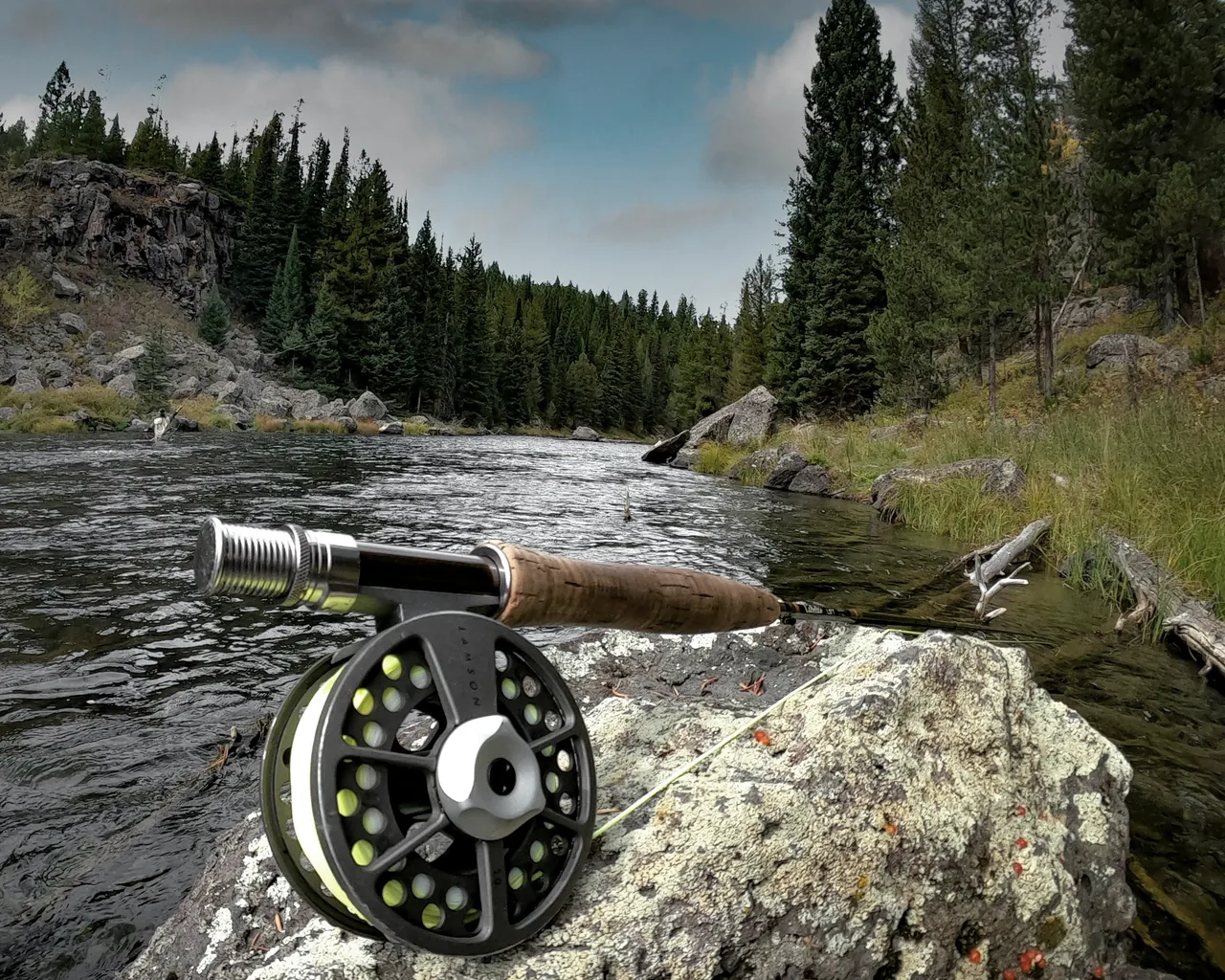
A coho trip needs a river-reach decision before a rod recommendation. Separate bank access, a full float and the condition of the fish you want to target.
ADF&G describes streamer and leech flies, jigs, spinners and spoons for Situk coho. It distinguishes fresher lower-river fish from dark or spawning fish farther upstream, particularly later in September. Its described float from Nine Mile Bridge to the Lower Landing is 14 miles.
ADF&G — Situk River sockeye and coho ↗ADF&G’s useful presentation families include streamer/leech flies, jigs, spinners and spoons. Its coho guidance includes bright fly and lure options. Choose one of those families, then obtain the useful size and weight for the intended reach; do not assume a mixed salmon kit contains the right variants.
ADF&G — Situk River sockeye and coho ↗Plan around the coho run and the intended river reach, not an undifferentiated “Alaska salmon season.” The source makes the later-September distinction important. This page does not establish current run strength, water level or a daily catch probability.
A reliable month-by-month ranking is not established in this edition. No “best month” score has been invented.
Compare a bank outing with a float as different products. For a float, establish the pickup and takeout arrangement before choosing accommodation or estimating available fishing time. For a bank day, identify the legal access and the length of the walk. A guide who supplies the boat does not necessarily supply waders, boots or transport back to your car.
Choose whether you will cast lures, fish jigs or use fly tackle. Ask for the actual lure or fly sizes and the weight needed for the intended water. Those answers determine the rod’s casting range and the line system. An existing suitable salmon setup is more useful than an arbitrary “Alaska combo.” Pack replacement leaders and a small working selection rather than every salmon lure in a catalog.
A Yakutat halibut day is not an extension of this river list. Keep wet wading equipment separate from dry clothing and boat footwear, and ask whether changing or drying space is available. Put the equipment you need at the first stop in accessible luggage. If the river is not suitable on the planned day, a guide-confirmed alternative is a contingency, not a guaranteed substitute fishery.
Start with suitability and operator provision. These are requirements and category-level shopping options—not exact-model reviews or a promise that a search result will fit.
Match the actual presentation weight and local leader choice.
A spinner, jig and fly line do not share one rod-rating system.
Confirm the specification before choosing a product.Boot fit, belt and suitable traction; only if the actual outing involves wading.
A bank or float booking may have different footwear requirements.
Compare this category on Amazon ↗Obtain a short local list of types, sizes and quantities.
A few exact replacements beat a generic assortment.
Compare this category on Amazon ↗Pack a complete dry layer set away from used river gear.
The return journey should not depend on wet clothing drying immediately.
Compare this category on Amazon ↗Do not treat darker upstream fish and fresh lower-river arrivals as identical objectives.
Do not turn a 14-mile float description into a casual walk-and-wade itinerary.
The linked sources support the attributed claims above. The setup and preparation sections are editorial decision guidance, not a personal field test. Local conditions, availability and exact equipment still require confirmation.
Product searches are not exact-model endorsements. No current prices or stock are asserted. Inspect the research standard ↗